Cart
0


If you've spent any time browsing hemp flower online, you've probably seen the word "terpenes" mentioned alongside CBD percentages and strain names. So what are terpenes in CBD flower, exactly, and why do growers and shoppers talk about them so much? In simple terms, terpenes are the aromatic compounds responsible for the distinct smell and flavour of every hemp strain — and understanding them can help you make more informed choices when comparing products.
What Are Terpenes in CBD Flower?
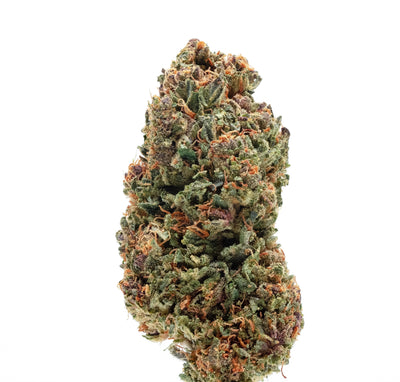
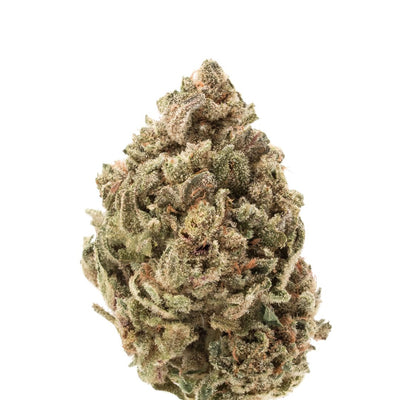
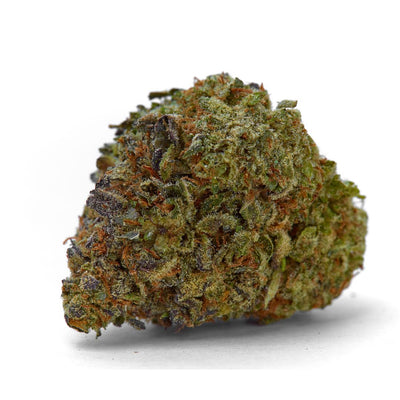
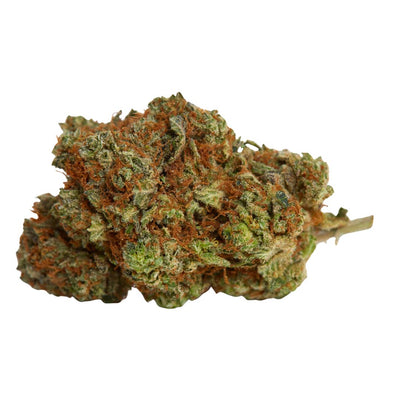
Terpenes are naturally occurring organic molecules produced in the resin glands of the cannabis and hemp plant, the same glands that produce cannabinoids like CBD. They aren't unique to hemp — terpenes are found throughout the plant kingdom, giving pine trees their sharp scent, citrus fruit its zest, and lavender its floral note. In hemp flower, terpenes are what create the difference between a strain that smells sweet and fruity and one that smells earthy and diesel-like.
Each hemp strain has its own terpene profile — a unique combination and ratio of these aromatic compounds. This profile is shaped by genetics, growing conditions, curing methods, and harvest timing, which is why two batches of the same strain can occasionally smell slightly different from one crop to the next.
Common Terpenes Found in Hemp Flower
There are over a hundred terpenes identified in cannabis and hemp, but a handful show up most frequently in commercial flower:
Myrcene is one of the most common terpenes in hemp, known for an earthy, musky, slightly fruity aroma often compared to ripe mango. Limonene brings a bright, citrusy scent reminiscent of lemon or orange peel, and is common in strains marketed as "zesty" or "sativa-leaning." Caryophyllene has a peppery, spicy character and is unusual among terpenes because it can also interact with the body's receptors in ways that overlap with cannabinoids. Pinene, as the name suggests, smells like fresh pine needles and is found in strains with a sharp, herbal edge. Linalool contributes a floral, slightly sweet note similar to lavender, and often appears in strains with a softer, more delicate aroma.
Why CBD Flower Terpenes Matter When Choosing a Strain
For most shoppers, terpenes matter because they're the single biggest factor in how a strain actually smells and tastes. If you've tried a strain before and loved (or disliked) its aroma, terpenes are the reason. Knowing the dominant terpene in a strain gives you a shorthand for predicting whether a new strain will suit your preferences, without having to open the bag first.
Terpenes are also part of what's sometimes called the "entourage effect" — the theory that cannabinoids and terpenes work alongside each other within the plant's natural chemistry. This is an active area of ongoing research, and while it's a popular talking point in the hemp industry, it remains a scientific hypothesis rather than an established, proven mechanism. We'd encourage you to treat any claims about specific effects with a healthy dose of scepticism and to focus on terpenes as a guide to aroma and flavour rather than a guarantee of any particular outcome.
How to Read a Terpene Profile
Many UK hemp retailers, including strain pages here at Easygreen CBD, list a lab-tested terpene profile alongside cannabinoid content. These reports typically show the top three to five terpenes by percentage. A strain like our Gelato 41 CBD Flower might lean heavily on caryophyllene and limonene, giving it a sweeter, dessert-like profile, while other strains lean more herbal or earthy depending on their genetic lineage. Comparing lab sheets side by side is one of the most reliable ways to shop by aroma rather than guesswork.
If you want a deeper dive into how one specific terpene profile translates into a real-world smoking or vaping experience, our article on Blueberry CBD Flower and the terpene truth behind it breaks down exactly how myrcene and other compounds shape that particular strain's character.
Do Terpenes Affect CBD Flower Quality?
Terpene content can be a useful (though not the only) indicator of freshness and cultivation quality. Terpenes are volatile compounds, meaning they evaporate over time, especially when exposed to heat, light, or air. Flower that's been stored poorly or sat on a shelf too long will often lose much of its original aroma as terpenes degrade — which is one reason properly cured, well-packaged hemp flower tends to have a noticeably stronger smell straight out of the bag than flower that's been mishandled.
This is also why lab testing terpene content, alongside cannabinoid percentages, gives a fuller picture of a batch's quality than cannabinoid percentage alone. A high CBD percentage paired with a negligible terpene profile can suggest flower that's aged or was cured without much care.
Frequently Asked Questions
Are terpenes the same as cannabinoids?
No. Cannabinoids like CBD are a separate class of compound from terpenes. Both are produced in the same resin glands, but terpenes are responsible for aroma and flavour, while cannabinoids are the compounds most commonly measured for potency on a lab sheet.
Do all hemp strains have different terpene profiles?
Yes, largely. Every strain has its own genetic terpene fingerprint, though environmental factors like soil, climate, and curing method can shift the exact ratios slightly from harvest to harvest.
Can I find terpene information for CBD flower strains?
Many reputable UK sellers publish third-party lab reports showing terpene breakdowns alongside cannabinoid content. It's worth checking a strain's lab sheet before buying if aroma and flavour are a priority for you.
Disclaimer: General information only. We make no medical or health claims about any CBD product.